

Understanding the psychological triggers behind gambling behaviors at Pinco
The Allure of Risk and Reward
The thrill associated with gambling primarily stems from the risk-reward dynamic. Players often experience a rush when they place bets, anticipating the potential for significant winnings. This anticipation triggers the brain’s reward system, releasing dopamine, a neurotransmitter linked to pleasure and reinforcement. At Pinco Casino Online, the exciting environment and engaging gameplay amplify these feelings, creating an addictive cycle where the prospect of winning overshadows the risks of loss. Additionally, as you explore more about contemporary gambling language, you may find valuable insights at https://www.netlingo.com/tips/the-gamba-verse-online-casino-slang-and-linguistic-transformations-in-2026.php.
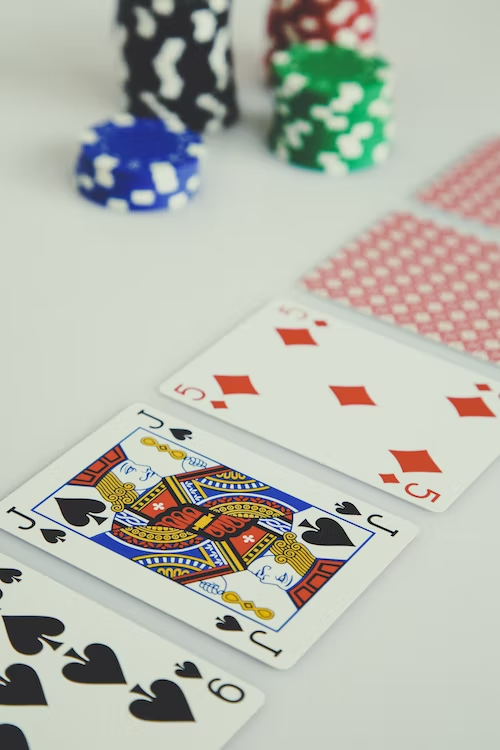
Additionally, the concept of “near misses” plays a crucial role in maintaining gambling behaviors. When players nearly win, it can trigger feelings of hope and excitement that encourage continued play. This phenomenon is especially prevalent in slot games, where players may feel a strong urge to keep spinning the reels after a series of near wins. Such psychological triggers can be highly deceptive, leading individuals to believe that they are closer to success than they actually are.
The social aspect of gambling cannot be overlooked either. In settings like Pinco, the presence of other players, the sounds of machines, and the overall ambiance create an engaging social experience. Gamblers may feel a sense of belonging within this community, further reinforcing their desire to participate. This social connectivity, combined with the thrill of risk-taking, enhances the psychological appeal of gambling and encourages ongoing involvement.
The Impact of Cognitive Biases
Cognitive biases significantly influence gambling behaviors, often leading to irrational decision-making. One common bias is the illusion of control, where players believe they can influence the outcome of games based on personal skill or strategy. For instance, a gambler may feel that their experience gives them an edge in card games, despite the inherent randomness involved. This skewed perception can lead to overconfidence and increased betting.
The gambler’s fallacy is another cognitive bias that affects how players interpret outcomes. Many believe that past results will influence future events, such as thinking a slot machine is “due” for a win after a series of losses. At Pinco Casino Canada, this misunderstanding can lead to extended playtime and larger bets, as individuals chase perceived patterns that do not exist. Such misconceptions can have detrimental financial consequences, yet they are common among many gamblers.
Moreover, confirmation bias further complicates the decision-making process. Gamblers may focus solely on winning streaks and disregard the numerous losses they encounter. This selective memory reinforces their belief in luck and encourages continued engagement with gambling. As a result, cognitive biases foster an environment where players are less likely to recognize the potential harms of their behaviors, perpetuating the cycle of gambling addiction.
Emotions and Gambling: A Complex Relationship
The relationship between emotions and gambling behaviors is intricate and multi-faceted. Many individuals turn to gambling as a means of coping with stress or negative emotions. The temporary escape that gambling offers can be appealing, as it provides a distraction from everyday challenges. At Pinco, the immersive experience can divert attention from personal issues, leading to increased play during emotional distress.
Conversely, positive emotions can also drive gambling behaviors. Celebratory moments or feelings of euphoria may prompt individuals to gamble more, seeking to amplify their happiness through financial gains. This is particularly evident during major events or holidays when gambling becomes a communal activity, enhancing feelings of joy and excitement. The interplay of emotions creates a cycle where players oscillate between gambling as a coping mechanism and as a source of pleasure.
However, this emotional connection can lead to destructive patterns. When gambling becomes the primary source of emotional regulation, it can result in dependency, where individuals feel compelled to gamble to maintain emotional stability. Recognizing this relationship is crucial for understanding gambling behaviors, as it highlights the necessity for healthier coping strategies that do not involve gambling. This awareness is vital for promoting responsible gambling practices at venues like Pinco Casino.
Understanding Cultural Influences on Gambling
Cultural attitudes towards gambling significantly shape individual behaviors and perceptions. In many societies, gambling is viewed as a form of entertainment, while in others, it is stigmatized or associated with moral implications. These societal norms dictate how individuals engage with gambling platforms, such as Pinco Casino. For example, players from cultures that embrace gambling may participate more freely, while those from conservative backgrounds may approach it with caution.
The concept of luck also varies across cultures and impacts gambling behaviors. In some traditions, luck is viewed as a tangible force, leading players to adopt specific rituals or superstitions before participating in games. This belief in luck can enhance the overall gambling experience, as individuals feel they are influencing their outcomes through these practices. At Pinco, understanding the cultural diversity of players can help tailor experiences that resonate with various beliefs and attitudes.
Moreover, the rise of online gambling platforms has introduced cross-cultural interactions that further complicate the landscape. Players from different backgrounds come together, sharing their views and practices regarding gambling. This mixing of cultures can lead to new trends, as individuals adopt different gambling styles and influences. Pinco Casino Online creates a unique space for cultural exchange, shaping how players perceive risk, reward, and the overall experience of gambling.
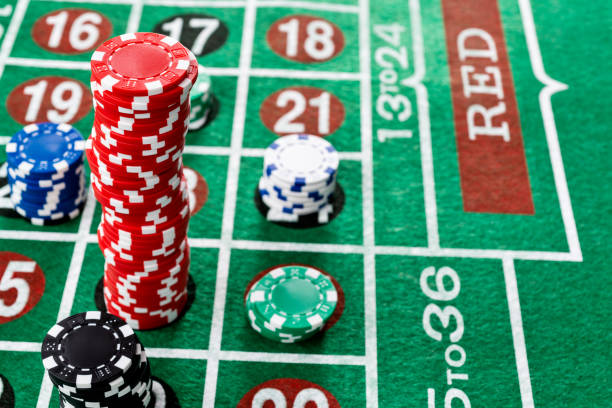
The Gamba-verse: Navigating Modern Gambling Language
The Gamba-verse serves as an essential resource for understanding the evolving language and culture surrounding gambling. With the rapid expansion of online casinos like Pinco, slang and terminology continuously develop, reflecting the community’s dynamics. The site offers insights into the latest jargon and phrases, ensuring that both casual players and enthusiasts remain informed about contemporary gambling communication.
By exploring the origins and usage contexts of various terms, visitors to the Gamba-verse gain a deeper appreciation of how language shapes their gaming experiences. This understanding not only enhances communication among players but also fosters a greater sense of community within the gambling world. As players engage in discussions and share experiences, the vocabulary becomes a vital tool in navigating the social aspects of gambling.
Ultimately, the Gamba-verse empowers individuals by providing them with the linguistic knowledge needed to engage confidently within the gambling community. By demystifying the language of modern gambling, it enhances the overall experience for users at Pinco, making it not just a place for gaming but a vibrant hub of cultural interaction and learning.
