

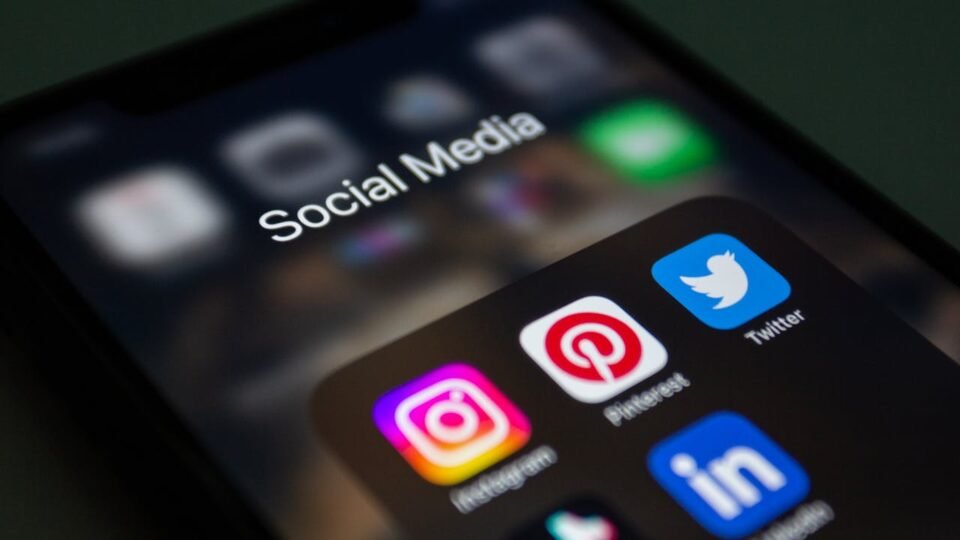
In today’s hyperconnected world, social platforms are no longer optional for brands, entrepreneurs, and even personal projects. They shape perception, influence decisions, and determine whether a business feels alive or invisible online. Every post, comment, and message becomes part of a public narrative that audiences interpret in seconds. This is why structured, thoughtful social media management is essential rather than improvised. Instead of posting randomly, organizations need a clear direction that reflects their identity, values, and goals.
Strong Foundation
A strong foundation ensures consistency across channels, making a brand recognizable and trustworthy. Beyond aesthetics, strategic planning allows businesses to speak directly to their audience’s needs, habits, and emotions. When profiles are aligned with brand voice, visuals, and purpose, users feel connected rather than marketed to. Social platforms are often the first point of contact between a company and a customer, and that first impression can define the entire relationship. By setting the right tone from the start, brands create long-term engagement rather than short-lived attention. In essence, the foundation of a digital presence determines whether social media becomes noise or a meaningful extension of the business story.
Strengthening Brand Identity and Trust
A recognizable brand is built through repetition, clarity, and emotional consistency. Social platforms offer daily opportunities to reinforce these elements, but only when messaging is intentional. Colors, typography, captions, and storytelling style should remain aligned across all posts to avoid confusing the audience. When users see a familiar tone and look, they start associating it with reliability. Trust grows when a brand communicates honestly, responds professionally, and avoids robotic behavior. People do not connect with logos; they connect with personalities, stories, and values. Through carefully crafted content, companies can humanize themselves, showing behind-the-scenes moments, customer experiences, and thought leadership. This builds credibility and emotional resonance. Over time, followers become advocates, sharing content organically and recommending the brand to others. Social platforms also allow brands to address feedback publicly, showing accountability and transparency. How a company handles praise or criticism often matters more than the content itself. Consistent interaction, respectful language, and genuine storytelling all contribute to an identity that feels stable and dependable. In a crowded digital market, trust is not built overnight, but social media gives brands a daily opportunity to earn it.
Supporting Business Growth and Visibility
Beyond branding and engagement, social platforms play a strategic role in business expansion. They increase visibility in competitive markets and help attract targeted audiences without the high cost of traditional advertising. With proper planning, informative social media management can guide users through the buyer’s journey, from awareness to consideration and finally to action. Educational posts introduce problems, storytelling creates emotional connection, and calls to action convert interest into results. Social media also supports traffic generation for websites, online shops, and landing pages. When paired with analytics, brands can see what works, what fails, and what resonates most with their audience. This data-driven approach allows continuous optimization of campaigns and content strategies. Furthermore, social platforms enable partnerships, influencer collaborations, and community building, all of which expand reach organically. Businesses that treat social media as a long-term investment instead of a short-term trend benefit from sustainable growth, stronger authority, and better positioning in the digital marketplace.
Driving Engagement and Meaningful Communication
Social media is not a broadcast channel; it is a conversation. Successful brands understand that engagement matters more than visibility alone. Likes, shares, comments, and saves indicate that users are not just seeing content, but reacting to it emotionally or intellectually. Engagement grows when posts invite participation through questions, polls, stories, and relatable topics. Instead of selling constantly selling, effective communication balances value, entertainment, and information. Audiences want content that educates, inspires, or solves problems. When brands listen to their community, they gain insight into customer behavior and expectations. This feedback loop helps improve products, services, and messaging. Meaningful communication also strengthens loyalty, turning followers into long-term supporters rather than temporary viewers. Direct messages and comments offer space for personalized interaction, making customers feel heard rather than processed. The more human and responsive a brand feels, the stronger the relationship becomes. Engagement is not about chasing algorithms; it is about building trust-driven dialogue that benefits both sides.
Adapting to Trends and Securing Long-Term Success
The digital environment evolves faster than any traditional marketing channel. Algorithms change, formats shift, and user behavior adapts constantly. Brands that remain static quickly lose relevance. Staying active on social platforms requires awareness of trends, platform updates, and audience preferences. Whether it is short-form video, storytelling formats, interactive content, or emerging platforms, adaptation is essential for visibility and connection. However, chasing trends blindly can damage brand identity. The key lies in aligning innovation with purpose. Successful brands adopt new tools while preserving their voice and values. Long-term success comes from balance: being flexible without losing authenticity. Social media is not just about posting today; it is about preparing for tomorrow’s audience expectations. When brands evolve thoughtfully, they remain relatable, competitive, and future-ready. In conclusion, the importance of managing social platforms goes far beyond aesthetics or promotion. It influences perception, trust, engagement, and business growth. Companies that invest strategically in their digital presence position themselves not only for attention, but for meaningful, lasting relationships in an ever-changing online world.
