

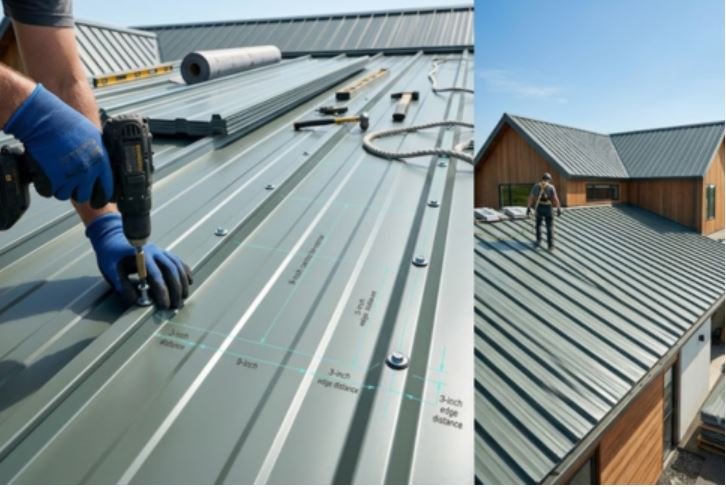
Metal roofing is one of the most durable and long-lasting roofing systems used in residential and commercial buildings. However, its performance depends heavily on a small but critical component—roofing screws. These fasteners hold metal panels securely in place, ensuring resistance against wind uplift, leaks, and structural movement.
Understanding how many screws for metal roofing are needed, how they should be placed, and how to maintain them over time is essential for a strong and leak-free metal roof. This guide breaks down everything homeowners and contractors need to know about metal roof screws in a simple and practical way.
Why Metal Roof Screws Matter
Metal roof screws are specially designed fasteners with rubber washers that create a watertight seal when installed correctly. They secure metal panels to the roof deck or underlying purlins, preventing movement caused by wind or thermal expansion.
If screws are improperly installed, spaced incorrectly, or left unmaintained, the roof may develop leaks, loose panels, or even structural failure during storms. That’s why correct installation and ongoing maintenance are just as important as choosing quality roofing materials.
How Many Screws Are Needed for a Metal Roof?
The number of screws required for a metal roof depends on several factors, including:
- Type of metal roofing system (corrugated, standing seam, ribbed panels)
- Roof size and slope
- Wind exposure and local building codes
- Manufacturer specifications
General Rule of Thumb
Most standard metal roofing systems use 5 to 7 screws per square meter (sq. meter) or 8 to 12 screws per 3-foot by 10-foot panel, depending on design and wind load requirements.
Edge and Corner Reinforcement
Areas like roof edges, ridges, and corners require extra fastening density because they experience higher wind pressure. Contractors often increase screw placement by 20–30% in these zones.
Important Note
Manufacturers always provide specific fastening requirements. Following these guidelines is critical because under-fastening can cause uplift during storms, while over-fastening can damage panels and reduce roof flexibility.
Metal Roof Screw Placement Pattern
Proper screw placement is just as important as quantity. A correct metal roof screw pattern ensures even load distribution, leak prevention, and structural stability.
1. Fastening Along Ribs or Pans
For exposed fastener systems, screws are typically installed along the raised ribs of metal panels. This prevents water pooling around screw heads and reduces leak risk.
2. Even Spacing Across Panels
Screws should be evenly spaced along the panel length to avoid stress concentration. Uneven spacing can cause panel warping or loosening over time.
3. Overlap Areas
Where two panels overlap, additional screws are placed to secure both sheets together and prevent wind uplift or water infiltration.
4. Ridge and Eave Lines
Extra screws are installed at ridge caps and eaves because these areas face the highest wind pressure. Proper fastening here is critical for storm resistance.
5. Following Wind Zones
In high-wind regions, screw spacing is reduced (meaning more screws are used) to improve resistance against uplift forces.
Common Screw Types Used in Metal Roofing
Different types of screws are used depending on roofing systems and materials:
Self-Drilling Screws
These screws can drill their own hole and are commonly used for metal-to-metal fastening.
Wood-to-Metal Screws
Used when securing metal panels to wooden roof decks. They often include sharp threads for strong grip.
Exposed Fastener Screws
These are visible on the roof surface and include rubber washers to prevent leaks.
Hidden Fastener Systems
Used in standing seam roofing where screws are concealed, improving aesthetics and reducing leak risk.
Installation Best Practices
Correct installation ensures long-term roof performance. Here are essential guidelines:
- Do not overtighten screws, as this can crush the rubber washer
- Do not under-tighten, as this can leave gaps for water entry
- Use screws recommended by the manufacturer
- Ensure screws are installed perpendicular to the surface
- Avoid reusing old screws during roof repairs
Improper installation is one of the most common reasons metal roofs develop leaks prematurely.
Metal Roof Screw Maintenance Guide
Even high-quality screws require regular maintenance to ensure long-term performance. Over time, exposure to weather can cause washers to degrade or screws to loosen.
1. Regular Roof Inspections
Inspect your metal roof at least once a year, especially after storms. Look for:
- Loose or missing screws
- Rust or corrosion
- Cracked or deteriorating rubber washers
2. Tightening Loose Screws
If screws begin to loosen, they should be carefully tightened or replaced. However, overtightening should be avoided to prevent damage to the panel.
3. Replacing Worn Washers
Rubber washers can dry out or crack over time. Replacing them helps maintain waterproof sealing and prevents leaks.
4. Rust Prevention
If screws show signs of rust, they should be replaced immediately with corrosion-resistant coated fasteners.
5. Sealant Application
In some cases, roofing sealant may be applied around screw heads for added waterproof protection, especially in older roofs.
Common Mistakes to Avoid
Many metal roof issues come from simple installation or maintenance errors:
- Using incorrect screw types
- Over-tightening or under-tightening fasteners
- Ignoring manufacturer spacing guidelines
- Failing to replace damaged washers
- Skipping regular inspections
Avoiding these mistakes significantly extends the lifespan of your roof.
Final Thoughts
Metal roof screws may seem like a small detail, but they play a major role in the strength, durability, and waterproofing of your roofing system. Proper screw quantity, correct placement patterns, and regular maintenance ensure your roof performs well for decades.
Whether you are installing a new roof or maintaining an existing one, following manufacturer guidelines and industry best practices is essential. For best results, it is always recommended to work with experienced roofing professionals who understand correct fastening techniques and long-term roof performance requirements.
