

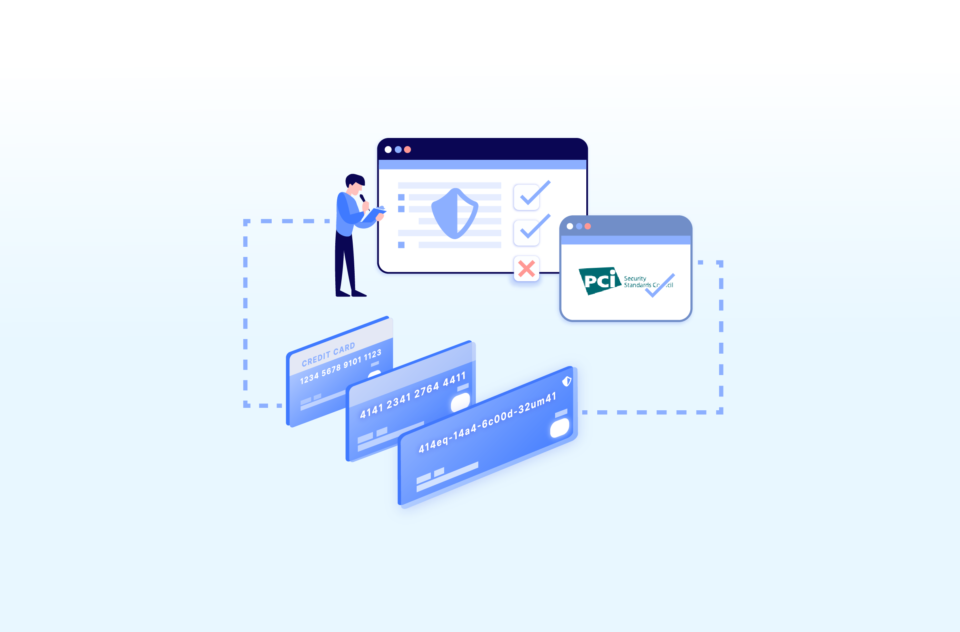
More people pay online now, which means more data moves through systems. With rising card usage comes greater worry about keeping that data safe, and also following rules. Companies managing credit card details must guard them carefully, even as requirements get tougher. That’s when network tokenization steps in, quietly doing its job across today’s payment networks.
Network tokens increasingly protect card details during storage and transactions. Because they swap real numbers for fake ones, companies face less risk if hackers break in. When it comes to meeting PCI DSS rules, knowing what tokenization changes matter a lot. For firms handling online payments, skipping this could mean trouble down the line.
Understanding Network Tokenization
Out there in digital spaces, fake numbers stand in for real ones during payments through network tokenization. These stand-ins come straight from credit card companies themselves. Instead of passing around your true account digits, systems swap them out quietly behind the scenes. Safe spots within the network keep the genuine number locked away, a core benefit of network tokenization. Stores never get their hands on it at all.
Network-level tokens are persistent identifiers, while each transaction uses unique cryptographic data. Because of network tokenization, systems process payments smoothly, with no need to keep sending private information. So, companies end up working with actual card numbers far less often.
This shift significantly changes how payment data is protected across merchant environments. Security responsibilities shift as sensitive data is removed from merchant systems.
Overview of PCI DSS Compliance Challenges
Keeping credit card details safe means following tight PCI DSS rules. How data gets stored, sent, or handled must meet strong security steps. For plenty of companies, sticking to every rule takes time, effort, and tools.
Every extra piece of card info a company touches widens what it must follow. That means more checking, higher protection expenses, stronger chance that something goes wrong. When access to private details shrinks, meeting rules get easier by default. Here’s when network tokenization really matters.
Network Tokenization Lowers PCI DSS Requirements
It starts with less to handle. Switching actual card details for tokens means shops keep nothing valuable on file. Fewer risks show up when payments move through systems that never see the original numbers.
Fewer security rules apply when shops use network tokens. Because of this shift, keeping compliance becomes less complex. With less handling of card details, companies find it easier to stay compliant. Fewer audits go wrong because of that shift.
Lower Risk of Data Breaches
Hacked cards spark many data leaks. When stored digits fall into the wrong hands, damage follows fast. Instead of showing real details, tokens stand quietly behind.
If someone gets hold of the tokens, misuse is still blocked beyond approved systems. Because of that, break-ins cause less harm and are more controlled.
Fewer losses hit companies harder when they’ve trimmed down access to private information. Fewer risks mean a steadier defence setup.
Improved Security During Transaction Processing
From start to finish, old-style card handling sends digits through many hands. Every stop along the way opens a door to risk. Instead of raw numbers, tokens act like stand-ins during transfers. That shift keeps sensitive data out of sight at most stages.
Tokens are restricted to specific networks, merchants, or use cases, limiting misuse. Because reuse isn’t allowed, hackers find fewer openings to exploit. Payment steps become safer when tokens stay locked to their original purpose.
Fewer headaches for companies, yet safety grows. Quiet upgrades handle risks while operations move smoothly.
Compliance Efficiency and Operational Benefits
Every so often, checks and records keep PCI DSS status alive. Because tokenization steps in, handling less live data means fewer moving parts to manage.
Fewer systems mean security crews spend less time chasing alerts. Simpler compliance checks move more quickly when there’s less clutter. Scaling up payments turns into breathing room for growing companies.
Using network tokenization helps companies keep security in line with how they plan to operate over time.
Supporting Recurring and Stored Credentials Securely
Stored card credentials are common in subscriptions and repeat payments. However, storing card numbers increases compliance risk.
A single token can stand in place of sensitive details, shielding actual card information. Because of this setup, companies keep transactions smooth even under strict rules.
Customers who rely on the service keep moving without interruptions. On the flip side, companies face fewer surprises while staying compliant. When one piece holds strong, the rest follow.
This balance between convenience and security is increasingly important in digital payments.
Regulatory Alignment Beyond PCI DSS
Though PCI DSS stands out, rules elsewhere push for less data too. By its very setup, network tokenization lines up with that goal.
Fewer saved details make it easier for companies to follow rules. These cover safety steps plus privacy standards around the world.
A single rule shift can make old tech feel out of step. Still, matching network tokens to new rules cuts through much of the uncertainty. Not every update fits neatly, yet the move toward fewer risks shapes how systems adapt. Change often lags, but alignment here matters more than speed.
Long-Term Risk Management Advantages
Every day brings new dangers online. Old defences can’t keep up anymore. Instead of just blocking problems, network tokenization shifts how risks are handled before they grow.
By removing sensitive data from merchant environments, businesses future-proof their payment systems. This reduces dependence on constant security upgrades.
As years pass, having less data cuts down the number of security risks to handle.
Conclusion
Network tokenization reduces how often businesses handle real card details. By replacing card numbers with network-issued tokens, it lowers exposure to sensitive data across payment systems.
This reduction directly supports PCI DSS compliance by shrinking the scope and limiting risk. Fewer stored details mean fewer weak points, less audit complexity, and lower impact if a breach occurs. For companies processing online payments, network tokenisation is a practical way to strengthen security while meeting compliance requirements.
